
Why a power outage changes sump-pump planning
Most residential sump pumps depend on electricity to move water collected in the basin. During heavy rain or spring thaw, a pump without working power may be unavailable just when groundwater is entering the pit. Hydro Ottawa’s outage-preparedness guidance specifically recommends backup power for sump pumps. That is a reason to plan ahead, not a promise that any single backup will keep a basement dry.
A sump pump handles water that reaches its pit through the home’s drainage system. It does not prevent a sewer backup, leaking foundation, surface water entering a window well, or a plumbing leak. Understanding the source of a water problem matters because a battery pump cannot replace a backwater valve, good exterior drainage, or safe electrical response.
The practical question is not simply whether a backup is installed. Ask whether it is charged, compatible with the primary system, able to discharge water through an appropriate route, and accessible for inspection. For broader system decisions, use the Ottawa battery-backup guide and the sump-pump maintenance checklist.
What kind of backup do you have?
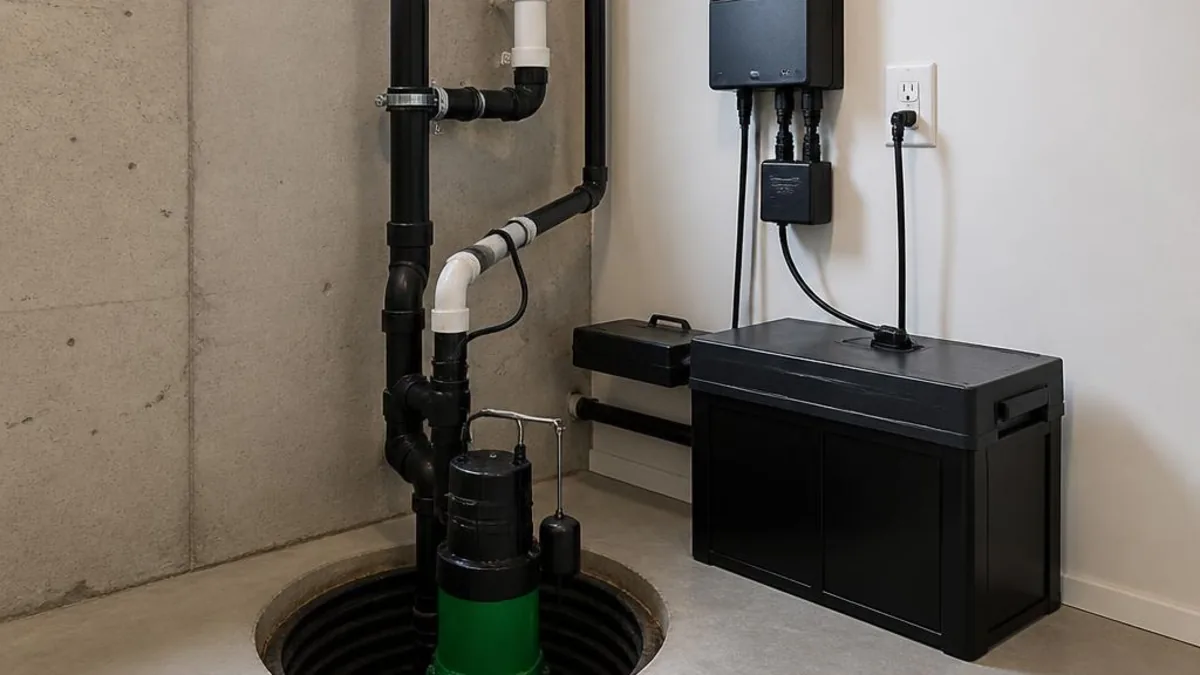
A battery backup system commonly uses a separate pump that can run from a charged battery when household power is unavailable. Other backup arrangements may use a generator or a water-powered device. Each depends on different conditions, and none should be assumed to work without correct installation, maintenance, and a suitable discharge route.
A battery’s label does not tell you how long it will run your pump in a real outage. Runtime varies with battery age and charge, pump demand, water inflow, lift, cycling frequency, temperature, and the system’s condition. Do not treat a manufacturer’s best-case figure as a guaranteed number of hours for your home.
Homeowners comparing sump pumps ottawa service options can review the proposed primary pump, backup method, alarm, discharge routing, testing, and maintenance instructions with the provider. Confirm equipment details and any service claims directly; this independent guide does not certify a particular product or contractor.
| Backup approach | What it may support | What to verify |
|---|---|---|
| Separate battery-powered pump | Can pump from the basin during some power interruptions while the battery and backup system are working. | Battery condition, charger, backup float, alarm, compatibility, and the discharge route. |
| Generator with approved connection | May supply power to a primary pump or other selected household circuits. | A qualified electrician must design the connection; follow the generator maker and Hydro Ottawa safety guidance. |
| Water-powered backup device | May operate without household electricity when the home’s water supply and pressure conditions support it. | Water service availability, device requirements, operating cost, local suitability, and installation instructions. |
What to check before an outage
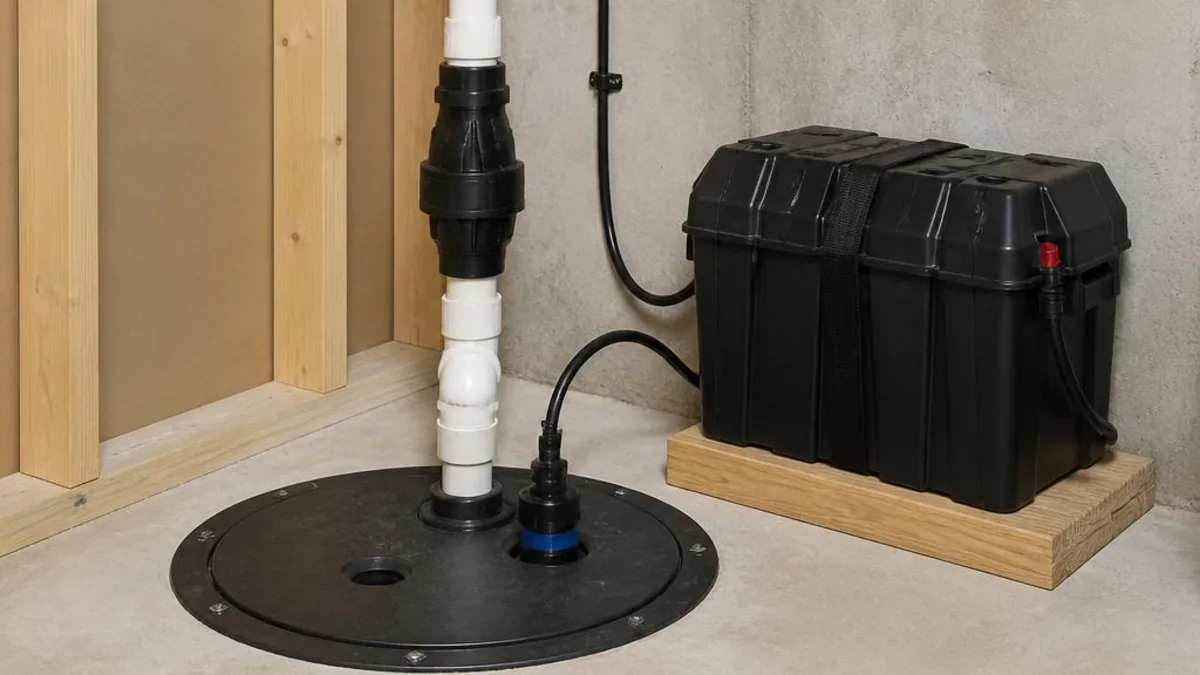
A short visual check is useful when the area is dry and safe. Read the pump and backup-system instructions first. Keep covers and service access in place as directed, and do not open electrical housings or handle exposed wiring. If anything is damaged, wet, corroded, or unfamiliar, stop and ask a qualified professional rather than experimenting.
Check that the basin is not visibly blocked by debris and that the primary float can move freely without being forced. Confirm the backup alarm and charger show their normal status, and note the battery’s age and replacement guidance. If the manufacturer provides a test procedure, follow it while staying present for the complete cycle. A test should not involve reaching into a pit or bypassing a safety cover.
Look at the visible portion of the discharge route and outlet for obvious damage or blockage. In cold weather, ask a qualified provider how the exterior line should be protected at your property; do not assume one routing detail is suitable for every home. Keep the area around the pit and control equipment accessible so a problem can be seen promptly.
Record the pump model, battery type, alarm meaning, and a service contact in a place you can find during an outage. Make a simple plan with household members: who checks alerts, where to go if water appears, and how to report an electrical hazard. If the primary pump has already been unreliable, review the repair warning signs before the next storm.
- Read the manufacturer’s test and battery-replacement instructions.
- Check visible charger, alarm, and indicator status while the area is dry.
- Keep the pit, controls, and discharge route accessible for inspection.
- Store model information and emergency contacts where household members can find them.
What to do while the power is off
If the outage occurs during a storm, use the backup system only as designed and pay attention to alarms or status indicators. Do not assume that silence means normal operation; check the system from a safe, dry location. Avoid removing covers, moving plugs, or running extension cords through damp areas. Hydro Ottawa advises keeping plugs and extension cords away from water-prone areas.
If the backup pump starts cycling frequently, the alarm activates, or water is rising, treat that as a sign that the system may be approaching its limits. A battery can discharge, a float can stick, and a discharge path can be obstructed. Conserve the remaining battery only in ways recommended by the equipment manufacturer; do not disable alarms or disconnect a working backup without understanding the consequences.
If water has entered the basement, do not walk into it to reach the pit, panel, receptacles, furnace, or pump. Hydro Ottawa warns that floodwater can contact electrical equipment and create shock or electrocution risk. Keep people and pets away, move to a safe location, and contact the appropriate utility, emergency service, insurer, or qualified professional based on the hazard.
A sump pit is not a household wastewater drain. A backup sump pump is not a reason to keep using water normally if plumbing or sewer conditions are uncertain. If a backwater valve is closed during a sewer backup, wastewater from inside the home may also be unable to drain through that protected line; follow professional instructions and avoid unnecessary water use until the condition is resolved.
Generator safety and electrical work
A portable generator is not a plug-and-play substitute for a sump-pump backup. Never operate a fuel-burning generator inside a home, basement, attached garage, or other enclosed space. Keep it outdoors and follow the manufacturer’s placement and carbon-monoxide precautions. Hydro Ottawa also warns against using generators indoors during an outage.
Do not connect a generator to household wiring by improvising a cord or backfeeding a wall outlet. Hydro Ottawa’s outage guidance says not to connect a generator to home wiring unless a transfer switch has been professionally installed. Incorrect connections can endanger utility workers and create risks to the distribution network and neighbouring customers.
Before buying equipment, have a qualified electrician determine which circuits can be supplied and what installation is required. Ask the pump provider whether the selected pump’s starting demand and controls are compatible with the planned source. Keep fuel, exhaust, cords, and electrical connections away from water and ignition sources. For a battery-based system, use only the charger and batteries specified for that equipment.
If your sump pump is the only protection for a vulnerable basement, discuss more than generator size. Include the pump’s condition, alarm, battery backup, discharge route, and a safe household response plan. A generator does not resolve a mechanical failure, blocked outlet, or water source that bypasses the sump system.
When water is already in the basement
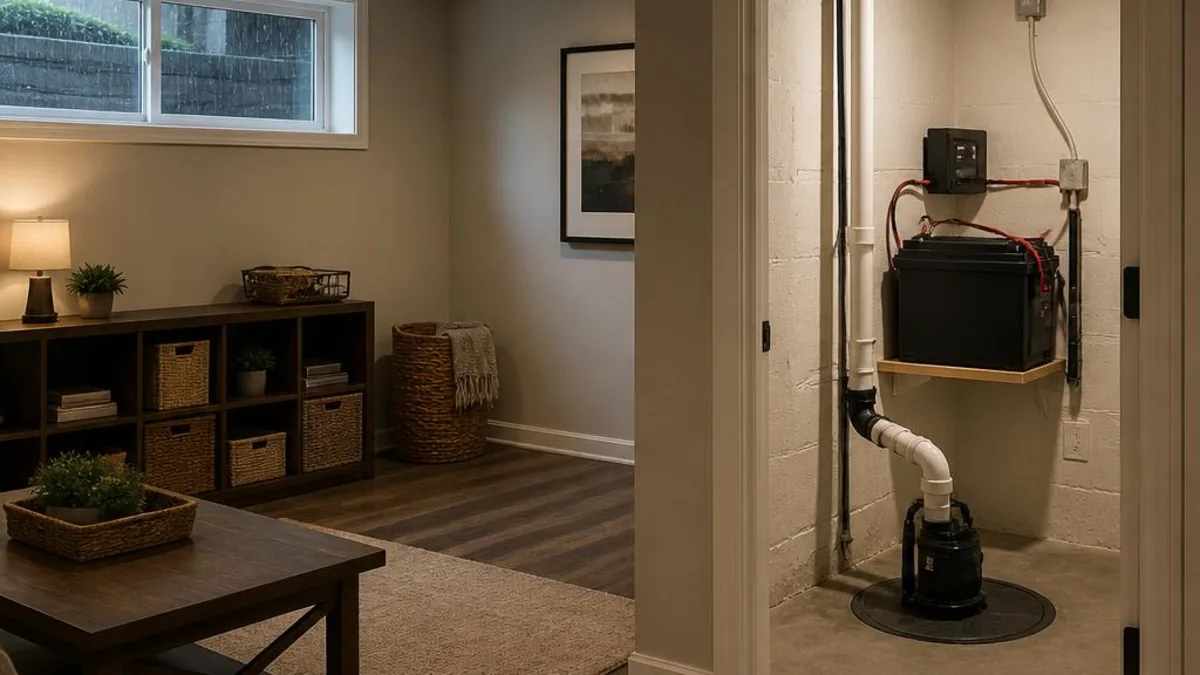
Electrical safety comes before saving belongings. Hydro Ottawa’s flood-safety guidance says to stay out of a flooded basement or outbuilding because water may reach outlets, baseboard heaters, or the electrical panel. If floodwater has contacted electrical components, Hydro Ottawa advises calling to request disconnection. Do not use water-damaged appliances or outlets even if they appear dry later.
Do not touch a pump, breaker, cord, panel, or appliance from a wet floor. Do not attempt to disconnect power by walking through water. If there is immediate danger, move away and call emergency services. For utility hazards, downed lines, or flood-related electrical concerns, follow Hydro Ottawa’s official instructions and keep a safe distance.
Once the space is confirmed safe, document the condition for your insurer and follow municipal guidance if the incident may involve a sewer backup. The City’s flooding information provides reporting and response steps. A plumber can investigate a pump or drain issue after hazards are controlled; an electrical contractor is needed for flood-damaged electrical equipment. These are different tasks and should not be conflated.
If the water source is not clear, do not conclude that the sump pump is the sole cause. Groundwater, a sewer surcharge, surface water, a foundation opening, a plumbing leak, and appliance failure call for different assessments. The companion guide explains how a backwater valve differs from a sump pump.
What to check after power returns
After utility power returns, verify the primary pump and backup system according to the manufacturer’s instructions while the area is dry and safe. Confirm that the charger has resumed normal operation, check any alarm history, and note whether the pump ran unusually often. A battery that carried a heavy load may need time to recharge or may require service; do not assume the indicator alone proves the battery is healthy.
Inspect visible piping and the discharge outlet for movement, leaks, or debris. Do not disassemble a check valve, pump, or control panel unless the manufacturer specifically identifies a safe homeowner procedure. If the pump does not cycle normally, the breaker trips repeatedly, the backup alarm remains active, or the basin does not drain, stop testing and arrange a qualified assessment.
Write down what happened: outage duration, alarm messages, water level observed from a safe place, and any backup operation. That record can help a provider distinguish a failed pump from battery depletion, an obstructed discharge, excessive inflow, or another problem. Use the sump-pump inspection guide to prepare the system details.
Ottawa rebate questions to verify before buying equipment
The City of Ottawa’s Residential Protective Plumbing Program lists rebates for qualifying sump-pump systems, including maximum amounts that differ between an existing sump pit and a newly constructed pit. The City states that it rebates the lesser of the applicable maximum or eligible project cost. The published table includes up to $1,500 for a qualifying pump with backup power in an existing pit and up to $3,000 where a newly constructed pit is eligible. These are program limits, not a promised payment.
Eligibility depends on the property, device, work, permit, inspection, documentation, and application timing. The City’s current page says the work and rebate application timeframe changed from 12 to 18 months effective July 1, 2026. It also states that rebates are not available for maintenance, repair, or replacement of existing protective plumbing devices. Confirm the latest conditions directly with the City before ordering work or relying on a rebate.
Do not choose a pump only to match a rebate category. First determine the water pathway and what the home needs. Compare the written scope, equipment, backup type, discharge plan, testing, and permit assumptions. Read the Ottawa sump-pump rebate guide and then verify every requirement on the official City program page.
A quick outage-readiness checklist
A useful plan has four stages. It should help a household notice a system issue early, stay clear of electrical hazards, and know when a professional or utility must take over. This checklist is general education; follow the pump maker, Hydro Ottawa, and City of Ottawa instructions that apply to your home.
- Know which backup system is installed and what it can—and cannot—do.
- Keep household members away from water near electrical equipment.
- Use a qualified electrician for any generator-to-home connection.
- Verify City rebate and permit details before committing to a project.
Sump-pump outage plan: before, during, and after
- 01Before
Read manuals, check charger and alarm status, keep access clear, and confirm a safe backup plan.
- 02When power fails
Observe from a dry location, heed alarms, and avoid wet cords, plugs, panels, or improvised generator connections.
- 03If water appears
Stay out of a flooded area; contact Hydro Ottawa or emergency services for electrical hazards.
- 04After power returns
Follow the maker’s test steps, check battery recovery, record alarms, and arrange service for abnormal operation.
Plan your next step
Start by identifying the equipment already installed, locating its instructions, and checking the safe homeowner tasks described by the manufacturer. If the backup type, battery condition, alarm, or discharge route is uncertain, arrange a qualified assessment before relying on it during an outage. For a useful conversation, prepare the pump model, battery age, past alarms, and any basement-water history.
Use the sump-pump cost-factor guide to compare written scopes rather than unsupported price ranges. A practical plan should cover power loss, pump failure, water pathways, safe access, and maintenance—not only the purchase of a battery.
Good questions to ask
Frequently asked questions
Will a battery backup keep my basement dry during a long outage?
Not necessarily. Runtime depends on battery condition, pump demand, inflow, cycling, and equipment compatibility. A backup can reduce risk while it is operating, but it cannot promise unlimited runtime or prevent water entering by another route.
Can I run a portable generator in my basement or garage?
No. Do not run a fuel-burning generator indoors or in an attached garage. Hydro Ottawa requires an approved transfer panel and switch installed by a qualified electrician for a generator connected to home wiring.
Can I use an extension cord to power a sump pump during an outage?
Do not improvise a connection in a damp or flood-prone area. Hydro Ottawa advises keeping plugs and extension cords away from water-prone locations. Use equipment only as designed and get qualified electrical advice.
What should I do if water reaches the basement electrical panel?
Stay out of the basement and do not touch electrical equipment or walk through the water. Follow Hydro Ottawa’s flood-safety guidance and request utility disconnection if electrical components have been contacted.
Does Ottawa offer a sump-pump rebate?
The City of Ottawa lists rebates for some qualifying protective plumbing work, subject to property, equipment, permit, inspection, documentation, and timing rules. Confirm the current program page before starting; eligibility and payment are not guaranteed.
Further reading
Sources & references
- Outage safety and flooding guidanceHydro Ottawa
- Outage preparednessHydro Ottawa
- Residential Protective Plumbing ProgramCity of Ottawa
- Urban flooding frequently asked questionsCity of Ottawa